
In VB .NET, I know I can get a stack trace by looking at the value of ex.StackTrace when handling an exception. How can I get the functions on the stack when I am not handling an exception? I am looking to implement a logging system of some sort to record the steps the user takes prior to a crash to assist in debugging.
4 Answers
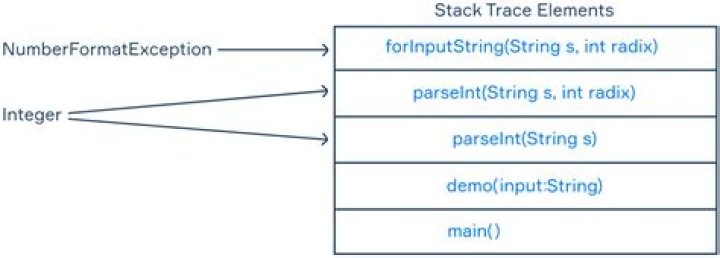
Environment.StackTrace gives you a string, but for more detailed information and options, use the StackTrace class.
To be more specific, check out the constructor options:
If you need the stack trace starting at the caller's frame (e.g. in a logging function: you don't want everything to start with MyLogMethod), you should try this one, which takes an int parameter, the number of frames to skip.
If you need the stack trace without source information (e.g. if you don't want to give away information about your source code), try this one:
Hope that helps!
0System.Environment.StackTrace You can also use these calls to get more detailed information such as GetILOffset, GetNativeOffset or GetType:
Import System.Diagnostics Debug.WriteLine("Call Stack:") Dim stackTrace As StackTrace = New StackTrace() Dim stackFrames() As StackFrame = stackTrace.GetFrames() For Each stackFrame As StackFrame In stackFrames Debug.WriteLine(stackFrame.GetMethod().Name) Next