Can PowerShell 1.0 create hard and soft links analogous to the Unix variety?
If this isn't built in, can someone point me to a site that has a ps1 script that mimics this?
This is a necessary function of any good shell, IMHO. :)
311 Answers
Windows 10 (and Powershell 5.0 in general) allows you to create symbolic links via the New-Item cmdlet.
Usage:
New-Item -Path C:\LinkDir -ItemType SymbolicLink -Value F:\RealDir Or in your profile:
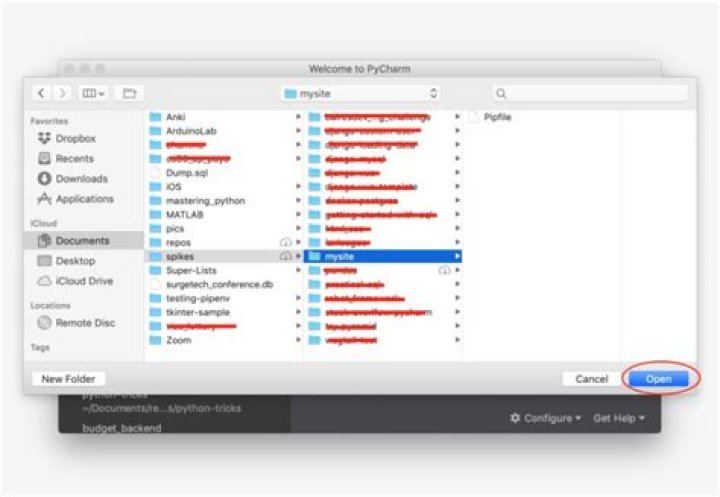
function make-link ($target, $link) { New-Item -Path $link -ItemType SymbolicLink -Value $target } Turn on Developer Mode to not require admin privileges when making links with New-Item:
You can call the mklink provided by cmd, from PowerShell to make symbolic links:
cmd /c mklink c:\path\to\symlink c:\target\file You must pass /d to mklink if the target is a directory.
cmd /c mklink /d c:\path\to\symlink c:\target\directory For hard links, I suggest something like Sysinternals Junction.
8Add "pscx" module
No, it isn't built into PowerShell. And the mklink utility cannot be called on its own on Windows Vista/Windows 7 because it is built directly into cmd.exe as an "internal command".
You can use the PowerShell Community Extensions (free). There are several cmdlets for reparse points of various types:
New-HardLink,New-SymLink,New-Junction,Remove-ReparsePoint- and others.
In Windows 7, the command is
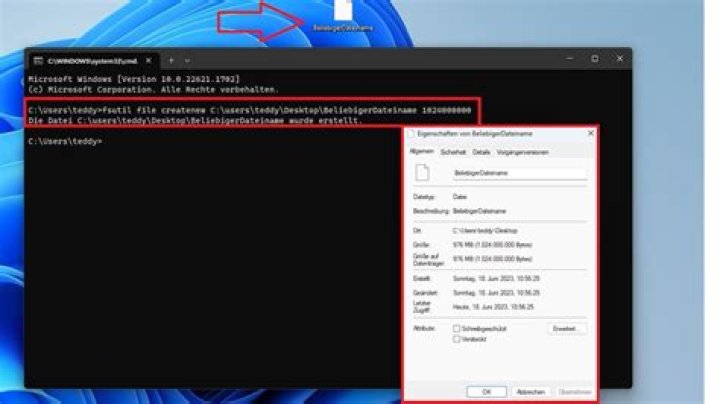
fsutil hardlink create new-file existing-file PowerShell finds it without the full path (c:\Windows\system32) or extension (.exe).
4New-Symlink:
Function New-SymLink ($link, $target) { if (test-path -pathtype container $target) { $command = "cmd /c mklink /d" } else { $command = "cmd /c mklink" } invoke-expression "$command $link $target" } Remove-Symlink:
Function Remove-SymLink ($link) { if (test-path -pathtype container $link) { $command = "cmd /c rmdir" } else { $command = "cmd /c del" } invoke-expression "$command $link" } Usage:
New-Symlink "c:\foo\bar" "c:\foo\baz" Remove-Symlink "c:\foo\bar" Try junction.exe
The Junction command line utility from SysInternals makes creating and deleting junctions easy.
Further reading
- MS Terminology: soft != symbolic
Microsoft uses "soft link" as another name for "junction".
However: a "symbolic link" is something else entirely.
See MSDN: Hard Links and Junctions in Windows.
(This is in direct contradiction to the general usage of those terms where "soft link" and "symbolic link" ("symlink") DO mean the same thing.)
I combined two answers (@bviktor and @jocassid). It was tested on Windows 10 and Windows Server 2012.
function New-SymLink ($link, $target) { if ($PSVersionTable.PSVersion.Major -ge 5) { New-Item -Path $link -ItemType SymbolicLink -Value $target } else { $command = "cmd /c mklink /d" invoke-expression "$command ""$link"" ""$target""" } } You can use this utility:
c:\Windows\system32\fsutil.exe create hardlink I wrote a PowerShell module that has native wrappers for MKLINK.
Includes functions for:
- New-Symlink
- New-HardLink
- New-Junction
Captures the MKLINK output and throws proper PowerShell errors when necessary.
Actually, the Sysinternals junction command only works with directories (don't ask me why), so it can't hardlink files. I would go with cmd /c mklink for soft links (I can't figure why it's not supported directly by PowerShell), or fsutil for hardlinks.
If you need it to work on Windows XP, I do not know of anything other than Sysinternals junction, so you might be limited to directories.
I found this the simple way without external help. Yes, it uses an archaic DOS command but it works, it's easy, and it's clear.
$target = cmd /c dir /a:l | ? { $_ -match "mySymLink \[.*\]$" } | % ` { $_.Split([char[]] @( '[', ']' ), [StringSplitOptions]::RemoveEmptyEntries)[1] } This uses the DOS dir command to find all entries with the symbolic link attribute, filters on the specific link name followed by target "[]" brackets, and for each - presumably one - extracts just the target string.
1