![TypeError [ERR_INVALID_ARG_TYPE]: The](https://liberty.io/uploads/typeerror-err-invalid-arg-type-the-path-argument-must-be-of-type-string-received-type-undefined-raised-when-starting-react-app_720.jpg)
I'm working on a project in React and ran into a problem that has me stumped.
Whenever I run yarn start I get this error:
TypeError [ERR_INVALID_ARG_TYPE]: The "path" argument must be of type string. Received type undefined
I have no idea why this is happening, if anyone has experienced this I would be grateful.
627 Answers
To fix this issue simply upgrade react-scripts package (check latest version with npm info react-scripts version):
- Replace in your package.json
"react-scripts": "^3.x.x"with"react-scripts": "^3.4.1"(or the latest available version) - (optional for some) Delete your node_modules folder
- Run
npm installoryarn install
Some people reported that this issue was caused by running npm audit fix (avoid it!).
If you have ejected, this is the proper way to fix this issue:
find this file config/webpackDevServer.config.js and then inside this file find the following line:
app.use(noopServiceWorkerMiddleware()); You should change it to:
app.use(noopServiceWorkerMiddleware('/')); For me(and probably most of you) the service worker is served at the root of the project. In case it's different for you, you can pass your base path instead.
4I've also faced this problem and figure out it by upgrading the react-scripts package from "react-scripts": "3.x.x" to "react-scripts": "^3.4.1" (or the latest available version).
- Delete
node_modules\folder - Delete
package-lock.jsonfile - Rewrite the
package.jsonfile from"react-scripts": "3.x.x"to"react-scripts": "^3.4.1" - Install node packages again
npm i - Now, start the project
npm start
And it works!!
2Running npm i react-dev-utils@10.0.0 solved my issue.
I just had this issue after installing and removing some npm packages and spent almost 5 hours to figure out what was going on.
What I did is basically copied my src/components in a different directory, then removed all the node modules and package-lock.json (if you are running your app in the Docker container, remove images and rebuild it just to be safe); then reset it to my last commit and then put back my src/components then ran npm i.
I hope it helps.
We ejected from react-scripts and so could not simply upgrade the package.json entry to fix this.
Instead, we did this:
- in a new directory, create a new project ->
$> npx create-react-app foo-project - and then eject it ->
cd ./foo-project && npm run eject - now copy the files from /foo-project/config into the config directory of our main app and fire up your dev server
hope this helps others in a similar bind.
Simply update react-scripts to the latest version.
yarn add react-scripts@latest OR IF USING NPM
npm install react-scripts@latest I had this same issue and running npm install react-scripts@latest fixed my issue.
Go to you package.json
Change "react-scripts": "3.x.x" to "react-scripts": "^3.4.0" in the dependencies
Reinstall react-scripts:
npm I react-scriptsStart your project:
npm start
If you ejected and are curious, this change on the CRA repo is what is causing the error.
To fix it, you need to apply their changes; namely, the last set of files:
- packages/react-scripts/config/paths.js
- packages/react-scripts/config/webpack.config.js
- packages/react-scripts/config/webpackDevServer.config.js
- packages/react-scripts/package.json
- packages/react-scripts/scripts/build.js
- packages/react-scripts/scripts/start.js
Personally, I think you should manually apply the changes because, unless you have been keeping up-to-date with all the changes, you could introduce another bug to your webpack bundle (because of a dependency mismatch or something).
OR, you could do what Geo Angelopoulos suggested. It might take a while but at least your project would be in sync with the CRA repo (and get all their latest enhancements!).
If you have an ejected create-react-app, I would suggest:
- Create a new React app through
create-react-app. - Eject it through
npm run ejectoryarn eject. - Install all the packages that are missing from the
package.json. - Copy your src folder assuming all your code is situated in this folder.
- Redo your changes on the config and script folders, if needed.
Worked for me.
I tried various approach described above but none of them worked since I have ejected my css. Finally applying following steps helped:
- Upgrade
react-scriptsfrom"react-scripts": "3.x.x"to"react-scripts": "^3.4.0" - Downgrading
react-dev-utilsform"react-dev-utils": "^10.x.x"to"react-dev-utils": "10.0.0" - Delete
node-modulesfolder andpackage-lock.json/yarn.lock - Reinstall packages
npm install/yarn install
In my case, it was because I (at one point) had reactn installed, which also includes its own version of React (for some reason).
After that had been installed (even after uninstalling again), this error occured.
I simply removed node_modules and ran npm install again, and it worked.
I didn't want to upgrade react-scripts, so I used the 3rd party reinstall npm module to reinstall it, and it worked.
npm i -g npm-reinstall reinstall react-scripts Simply upgrading react-scripts version solved my issue. react-scripts package from "react-scripts": "3.x.x" to "react-scripts": "^3.4.1" (or the latest available version). Avoid deleting package-lock.json straightaway. First try this, if it doesn't work then proceed further.
Follow the below steps. I also encountered the same problem.
- remove the whole node_modules folder.
- remove the package-lock.json file.
run command
npm install npm-installas shown in the image: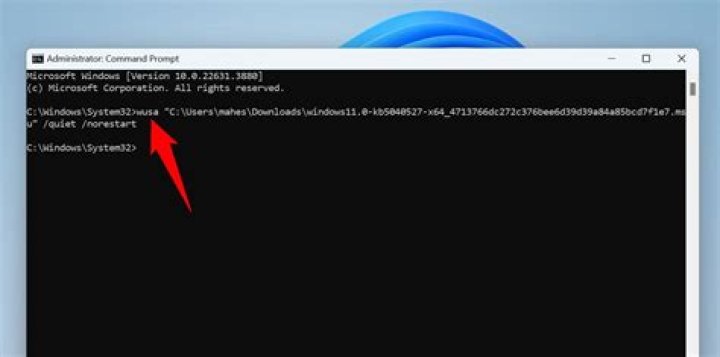
Here we go.. npm start...wao
Just need to remove and re-install react-scripts
To Remove yarn remove react-scripts To Add yarn add react-scripts
and then rm -rf node_modules/ yarn.lock && yarn
- Remember don't update the
react-scriptsversion maually
I had the same issue running it in my pipeline.
For me, the issue was that I was using node version v10.0.0 in my docker container.
Updating it to v14.7.0 solved it for me
None of the other solutions worked for me.
However, adding this to my package.json fixed the issue for me:
"resolutions": { "react-dev-utils": "10.0.0" }, Setting the HOME environment variable to an appropriate value fix this issue for me.
I fixed this issue by setting a newer version of node as default in nvm i.e.:
nvm alias default 12.XX.X I was having the exact same issue for a gatsby blog. The dependencies couldn't be upgraded and could only run on npm version 10.22.1.
What works for me is the following:
#!/bin/bash rm -rf .cache rm -rf public gatsby build gatsby serve Basically the completely rebuild everything, and this error is gone. Very annoying but at least it builds.
What's ever more weird is that, if I tweaked the image of the blog post, e.g., resizing it a bit, it builds. I have absolutely no idea why. But that least that's a clue.
If you have an ejected CRA, there are a few changes to the webpack-dev-server config that if left unchanged will throw this error. Comparing a freshly ejected CRA 4.x config to my CRA 3.x config showed a number of changes to functions that didn't previously accept arguments that now do.
In my case, one of the breaking changes was the addition of a path to their noopServiceWorkerMiddleware function. Adding in the missing path noopServiceWorkerMiddleware(paths.publicUrl) fixed this for me.
If you are finding it difficult to show up an image in you react.js file, I tried searching on youtube. It suggests adding image inside 'public' folder(rather than 'src' folder).
Although still looking for reasons why adding images inside 'src' folder didnt worked out.
link:
Switching from powershell to bash fixed this problem for me.
this has nothing to do with react, as the error specified, undefined is not accepted as the path argument. make sure you don't pass a variable to path.join that happens to be undefined or null. for example:
const {path} = require('path'); let arg = undefined; let mypath = path.join(__dirname, arg); // The same error would occur. In my case, I previously changed the folder path, and then only I got that error when using npm start.
So, I changed the folder path C:\Users\User\Documents\### Coding\todo-app into C:\Users\User\Documents\Coding\todo-app and then it worked.
I think the problem was using those special characters in the folder name.