
On GKE, I set a statefulset resource as
--- apiVersion: apps/v1 kind: StatefulSet metadata: name: redis spec: serviceName: "redis" selector: matchLabels: app: redis updateStrategy: type: RollingUpdate replicas: 3 template: metadata: labels: app: redis spec: containers: - name: redis image: redis resources: limits: memory: 2Gi ports: - containerPort: 6379 volumeMounts: - name: redis-data mountPath: /usr/share/redis volumes: - name: redis-data persistentVolumeClaim: claimName: redis-data-pvc Want to use pvc so created this one. (This step was did before the statefulset deployment)
--- apiVersion: v1 kind: PersistentVolumeClaim metadata: name: redis-data-pvc spec: accessModes: - ReadWriteOnce resources: requests: storage: 10Gi When check the resource in kubernetes
kubectl get pvc NAME STATUS VOLUME CAPACITY ACCESS MODES STORAGECLASS AGE redis-data-pvc Bound pvc-6163d1f8-fb3d-44ac-a91f-edef1452b3b9 10Gi RWO standard 132m The default Storage Class is standard.
kubectl get storageclass NAME PROVISIONER standard (default) But when check the statafulset's deployment status. It always wrong.
# Describe its pod details ... Events: Type Reason Age From Message ---- ------ ---- ---- ------- Warning FailedScheduling 22s default-scheduler persistentvolumeclaim "redis-data-pvc" not found Warning FailedScheduling 17s (x2 over 20s) default-scheduler pod has unbound immediate PersistentVolumeClaims (repeated 2 times) Normal Created 2s (x2 over 3s) kubelet Created container redis Normal Started 2s (x2 over 3s) kubelet Started container redis Warning BackOff 0s (x2 over 1s) kubelet Back-off restarting failed container Why can't it find the redis-data-pvc name?
2 Answers
What you have done, should work. Make sure that the PersistentVolumeClaim and the StatefulSet is located in the same namespace.
Thats said, this is an easier solution, and that let you easier scale up to more replicas:
When using StatefulSet and PersistentVolumeClaim, use the volumeClaimTemplates: field in the StatefulSet instead.
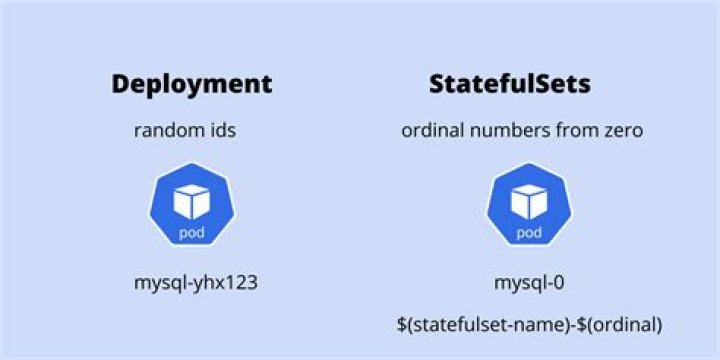
The volumeClaimTemplates: will be used to create unique PVCs for each replica, and they have unique naming ending with e.g. -0 where the number is an ordinal used for the replicas in a StatefulSet.
So instead, use a SatefuleSet manifest like this:
apiVersion: apps/v1 kind: StatefulSet metadata: name: redis spec: serviceName: "redis" selector: matchLabels: app: redis updateStrategy: type: RollingUpdate replicas: 3 template: metadata: labels: app: redis spec: containers: - name: redis image: redis resources: limits: memory: 2Gi ports: - containerPort: 6379 volumeMounts: - name: redis-data mountPath: /usr/share/redis volumeClaimTemplates: // this will be used to create PVC - metadata: name: redis-data spec: accessModes: [ "ReadWriteOnce" ] resources: requests: storage: 10Gi For using exist multiple persistentvolume instead storageclass use selector, for sample:
volumeClaimTemplates: - metadata: name: pvc-nginx spec: selector: matchLabels: app: nginx-tst-statefulset accessModes: [ "ReadWriteMany" ] resources: requests: storage: 10Mi storageClassName: ""