I build in maven multiple projects (let's name them A,B,C). Project A uses .jar of project B which uses .jar of project C.
I am modifying the code of all A/B/C projects, (A is MVC app, B are business services and C is some shared layer).
The thing is, in Eclipse/NetBeans I can see all of them at once and it's comfortable to modify them. In IDEA though, I have to open 3 instances (or n instances) of IntelliJ IDEA.
Am I missing something? Is there better approach when using IntelliJ? This is the biggest downside of IntelliJ for me atm.
325 Answers
I think this has improved with recent versions of IntelliJ. In my current version (12.0.2), you can add any number of separate Maven projects to the same "workspace".
The simplest way I've found to do this is to click the little + icon in the "Maven Projects" window (View > Tool Windows > Maven Projects) and then select the additional pom file you want to import.
Step 1: open "Maven Projects"
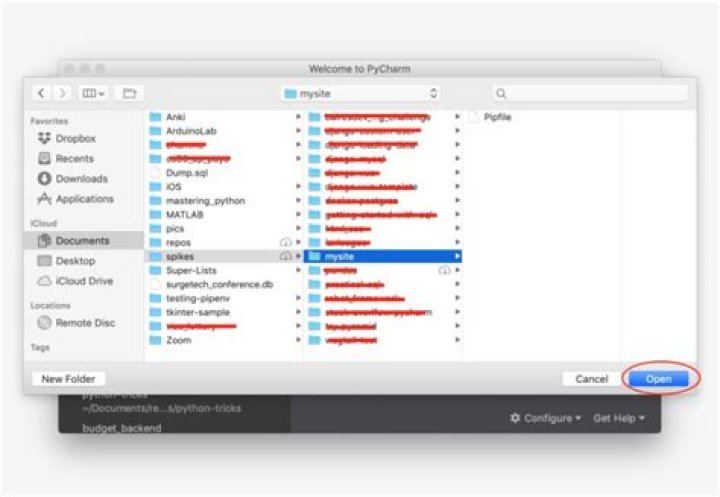
Step 2: select the project you want to import:
Prequisite
Having all the related projects in the same root directory can be helpful.
Steps
1) First you create a new Empty project
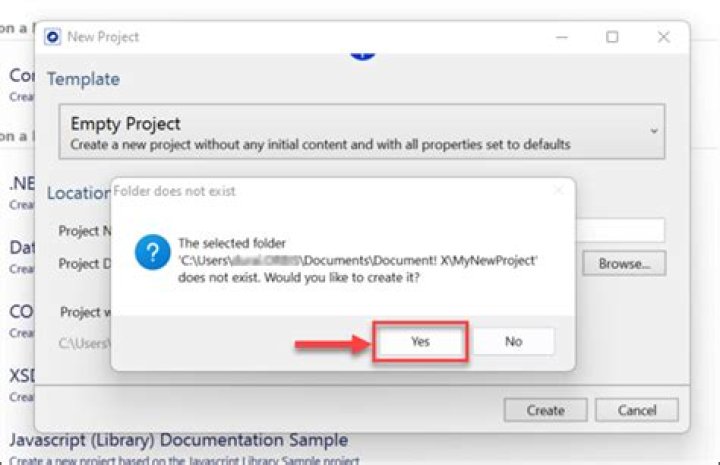
2) Then you select the root directory of all your projects.
This will create a empty project, with a .idea directory that will simply remember the module organisation we are about to do in the next step

3) Then, in the next window, you import the different projects as modules
4) In the next window, to import each project, simply double click on the build.gradle, or pom.xml
The project will be imported as a new module. 
5) Done, you now have all your projects as modules, opened on the same IntelliJ project

Yes, your intuition was good. You shouldn't use three instances of intellij. You can open one Project and add other 'parts' of application as Modules. Add them via project browser, default hotkey is alt+1
6In IntelliJ 14.1.2, I did it like following:
Select File->Project Structure->Modules.
Select + and Import Module and select the directory of your project(or directory where pom exists) and click OK.
Follow through the next flow of screens and after you click Finish, you should see the project alongside your existing one.
None of the solutions worked for me, since I am not working on Maven projects. There is a simpler solution. Go to:
File->Project Structure->Modules.
Instead of adding module, simply click the third option (copy). Browse your local directory and select the project you would like to add. Module name will resolve automatically. That's it.
Update: When you want to reopen to project with multiple sub-projects, in order to avoid re-doing steps as described above, just go to File->Open Recent->'Your Big Project'.
3Since macOS Big Sur and IntelliJ IDEA 2020.3.2 you can use "open projects in tabs on macOS Big Sur" feature. To use it, you have to enable this feature in your system settings:
System Preferences -> General -> Prefer tabs [always] when opening documents
After this step, when you will try to open second project in IntelliJ, choose New Window (yes, New Window, not This Window).
It should result with opening new project in same window, but in the new card:
To expand @Neo answer: after choosing your directory. select import module from external model and choose your model (maven in this case).
Then check keep project files option from next dialog. It will keep all files in original directory.

Your final project structure would be something like this.
Now you can add your module as dependency to other module's pom.xml and if you change the source code of your dependencies, Intellij takes care of updating your project (there is no need to run mvn build manually for dependencies)
- new empty project
- File -> New -> Module from Existing Sources
For who uses Gradle can also avail the same:
Go to: 1. View --> Tool Windows --> Gradle 2. Click on the + button and add your build.gradle file
Open preference -> appearance & behaviour -> System settings -> select (open project in new window) then apply.
Then you could open and edit multiple projects.
2You can use Armory plugin which makes switching between projects comfortable. The default shortcut for Project List is Alt + A.
By default currently opened projects are displayed at the top of this list (with bold style).
1Use the button for the add maven projects and go inside the folder of the project. Then, select the pom.xml file and add them in the IntelliJ.
Press "F4" on windows which will open up "Project Structure" and then click "+" icon or "Alt + Insert" to select a new project to be imported; then click OK button...
1"IntelliJ IDEA 2022.1.1 (Community Edition)" you have to navigate To Add Exiting Module to same window navigate "File -> New -> Module from Existing Sources" then it will allow you to select pom.xml and then click "Create" button next window then project will be added to your current workspace.
Note :: Who ever switches from Eclipse to Intellij this is the first problem
To Intellij IDEA 2019.2, F4 + click on module, click to + for add any project from your HDD, above this menu yo can edit the IDE with you create the project and more options, very easy
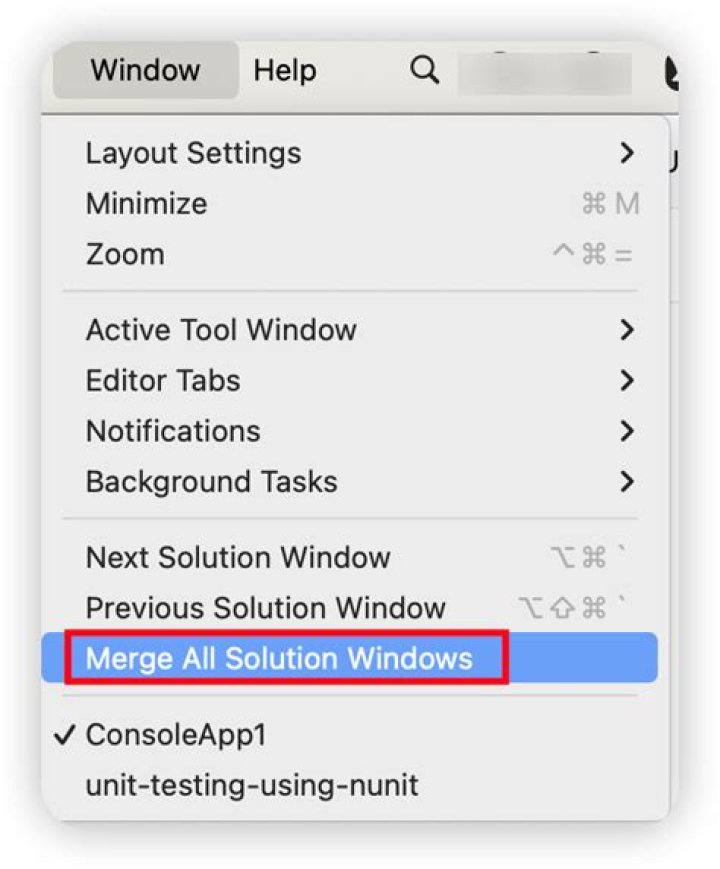
Try the menu item Window -> Merge All Project Windows
this works on MacOS on IntelliJ 2022.2.3 Community Edition
For people not using maven to build and wanting to add a new project (I am using intellij 14.1.3):
- Right click the top level folder in the project view, select new -> Module
- Name the module the same name as the project to be added
- From the top menu select File->New->Project. Enter the same name as the new module, same folder locations as well.
- Open the Project, and wait for intellij to create the project structure.
- Close this new project, and open the original project the module was added to in step 2
Depending on your builder, additional steps will be needed to add it to the build process.
For SBT, and in the top level project I modified the Build.scala file to aggregate the new project, and added the project in the SBT projects window. More info on SBT multiproject builds:
1For IntelliJ Idea 2021.3.3 users, The below solution didn't work for me, although I was selecting my project main folder, I've gotten only the main and test folders imported!
Peoject Structure => Modules => Import module The solution is:
view => tool Windows => Maven => click the + icon => add the project POM.xml file
you can use import module option which will open it just like eclipse in the same navigator.
1Assuming they are under the same folder, click File-Open File or Project-<parent folder>.
I am new to maven and did not understand how I could work with local maven project added through Viktor Nordling's answer and still have a proper dependency in pom.xml file. The answer is simple: intellij first looks at your locally added module and if it doesn't find one it goes to get the project remotely. You can check this by looking at "external libraries" under your project browser when you add or remove maven module.
Hope this helps anyone.
Intellij by default doesn't provide feature for multiple project in same windows, but mac provides.
For mac 2021(macos ventura):
System settings > Desktop & Dock > Windows & Apps
Enable Prefer tabs when opening documents as Always
As of release 2019.2, this is as easy as File->Attach Project.
🎉🎉🎉🎉🎉

After importing project into IntelliJ, Go to pom.xml of each module -> right click -> Click on Add as Moven Project. It will add the module as Moven project, do this for all the modules in the Project. Refer this