I'm not able to access values in configuration file.
Configuration config = ConfigurationManager.OpenExeConfiguration(ConfigurationUserLevel.None); var clientsFilePath = config.AppSettings.Settings["ClientsFilePath"].Value; // the second line gets a NullReferenceException .config file:
<?xml version="1.0" encoding="utf-8" ?> <configuration> <appSettings> <!-- ... --> <add key="ClientsFilePath" value="filepath"/> <!-- ... --> </appSettings> </configuration> Do you have any suggestion what should I do?
16 Answers
This works for me:
string value = System.Configuration.ConfigurationManager.AppSettings[key]; The answer that dtsg gave works:
string filePath = ConfigurationManager.AppSettings["ClientsFilePath"]; BUT, you need to add an assembly reference to
System.Configuration
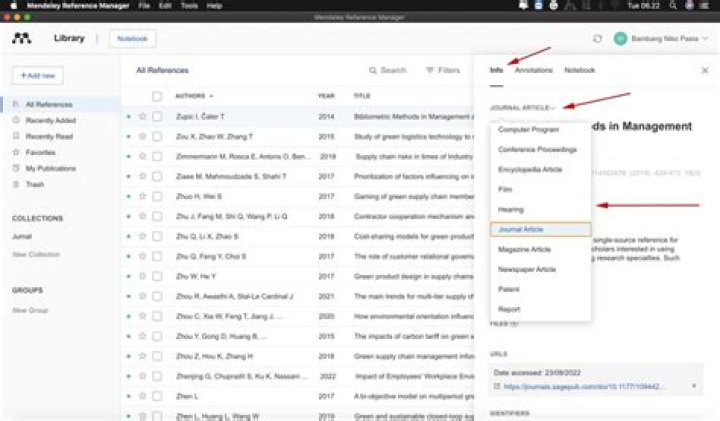
Go to your Solution Explorer and right click on References and select Add reference. Select the Assemblies tab and search for Configuration.
Here is an example of my App.config:
<?xml version="1.0" encoding="utf-8" ?> <configuration> <startup> <supportedRuntime version="v4.0" sku=".NETFramework,Version=v4.5" /> </startup> <appSettings> <add key="AdminName" value="My Name"/> <add key="AdminEMail" value="MyEMailAddress"/> </appSettings> </configuration> Which you can get in the following way:
string adminName = ConfigurationManager.AppSettings["AdminName"]; Give this a go:
string filePath = ConfigurationManager.AppSettings["ClientsFilePath"]; Read From Config :
You'll need to add a reference to Config
- Open "Properties" on your project
- Go to "Settings" Tab
- Add "Name" and "Value"
- Get Value with using following code :
string value = Properties.Settings.Default.keyname; Save to Config :
Properties.Settings.Default.keyName = value; Properties.Settings.Default.Save(); I am using:
ExeConfigurationFileMap configMap = new ExeConfigurationFileMap(); //configMap.ExeConfigFilename = @"d:\test\justAConfigFile.config.whateverYouLikeExtension"; configMap.ExeConfigFilename = AppDomain.CurrentDomain.BaseDirectory + ServiceConstants.FILE_SETTING; Configuration config = ConfigurationManager.OpenMappedExeConfiguration(configMap, ConfigurationUserLevel.None); value1 = System.Configuration.ConfigurationManager.AppSettings["NewKey0"]; value2 = config.AppSettings.Settings["NewKey0"].Value; value3 = ConfigurationManager.AppSettings["NewKey0"]; Where value1 = ... and value3 = ... gives null and value2 = ... works
Then I decided to replace the internal app.config with:
// Note works in service but not in wpf AppDomain.CurrentDomain.SetData("APP_CONFIG_FILE", @"d:\test\justAConfigFile.config.whateverYouLikeExtension"); ConfigurationManager.RefreshSection("appSettings"); string value = ConfigurationManager.AppSettings["NewKey0"]; Using VS2012 .net 4
1In the app/web.config file set the following configuration:
<configuration> <appSettings> <add key="NameForTheKey" value="ValueForThisKey" /> ... ... </appSettings> ... ... </configuration> then you can access this in your code by putting in this line:
string myVar = System.Configuration.ConfigurationManager.AppSettings["NameForTheKey"]; *Note that this work fine for .net4.5.x and .net4.6.x; but do not work for .net core. Best regards: Rafael
Coming back to this one after a long time...
Given the demise of ConfigurationManager, for anyone still looking for an answer to this try (for example):
AppSettingsReader appsettingsreader = new AppSettingsReader(); string timeAsString = (string)(new AppSettingsReader().GetValue("Service.Instance.Trigger.Time", typeof(string))); Requires System.Configuration of course.
(Editted the code to something that actually works and is simpler to read)
1See I did what I thought was the obvious thing was:
string filePath = ConfigurationManager.AppSettings.GetValues("ClientsFilePath").ToString(); While that compiles it always returns null.
This however (from above) works:
string filePath = ConfigurationManager.AppSettings["ClientsFilePath"]; Some of the Answers seems a little bit off IMO Here is my take circa 2016
<add key="ClientsFilePath" value="filepath"/> Make sure System.Configuration is referenced.
Question is asking for value of an appsettings key
Which most certainly SHOULD be
string yourKeyValue = ConfigurationManager.AppSettings["ClientsFilePath"] //yourKeyValue should hold on the HEAP "filepath" Here is a twist in which you can group together values ( not for this question)
var emails = ConfigurationManager.AppSettings[ConfigurationManager.AppSettings["Environment"] + "_Emails"]; emails will be value of Environment Key + "_Emails"
example : ;; For web application, i normally will write this method and just call it with the key.
private String GetConfigValue(String key) { return System.Web.Configuration.WebConfigurationManager.AppSettings[key].ToString(); } ConfigurationManager.RefreshSection("appSettings") string value = System.Configuration.ConfigurationManager.AppSettings[key]; Or you can either use
string value = system.configuration.ConfigurationManager.AppSettings.Get("ClientsFilePath"); //Gets the values associated with the specified key from the System.Collections.Specialized.NameValueCollection You can simply type:
string filePath = Sysem.Configuration.ConfigurationManager.AppSettings[key.ToString()]; because key is an object and AppSettings takes a string
- Open "Properties" on your project
- Go to "Settings" Tab
- Add "Name" and "Value"
CODE WILL BE GENERATED AUTOMATICALLY
<configuration> <configSections> <sectionGroup name="applicationSettings" type="System.Configuration.ApplicationSettingsGroup ..." ... > <section name="XX....Properties.Settings" type="System.Configuration.ClientSettingsSection ..." ... /> </sectionGroup> </configSections> <applicationSettings> <XX....Properties.Settings> <setting name="name" serializeAs="String"> <value>value</value> </setting> <setting name="name2" serializeAs="String"> <value>value2</value> </setting> </XX....Properties.Settings> </applicationSettings> </configuration>
To get a value
Properties.Settings.Default.Name
OR
Properties.Settings.Default["name"]
Updated
ConfigurationManager is outdated, you need to use IConfiguration in the .NET Сore environment (IConfiguration is provided by .NET Core built-in dependency injection).
private readonly IConfiguration config; public MyConstructor(IConfiguration config) { this.config = config; } public void DoSomethingFunction() { string settings1 = config["Setting1"]; } My simple test also failed, following the advice of the other answers here--until I realized that the config file that I added to my desktop application was given the name "App1.config". I renamed it to "App.config" and everything immediately worked as it ought.